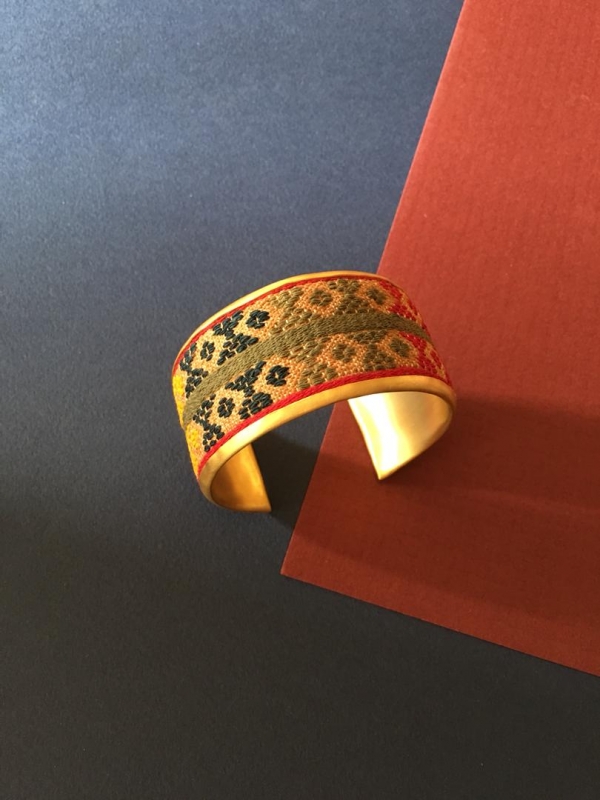
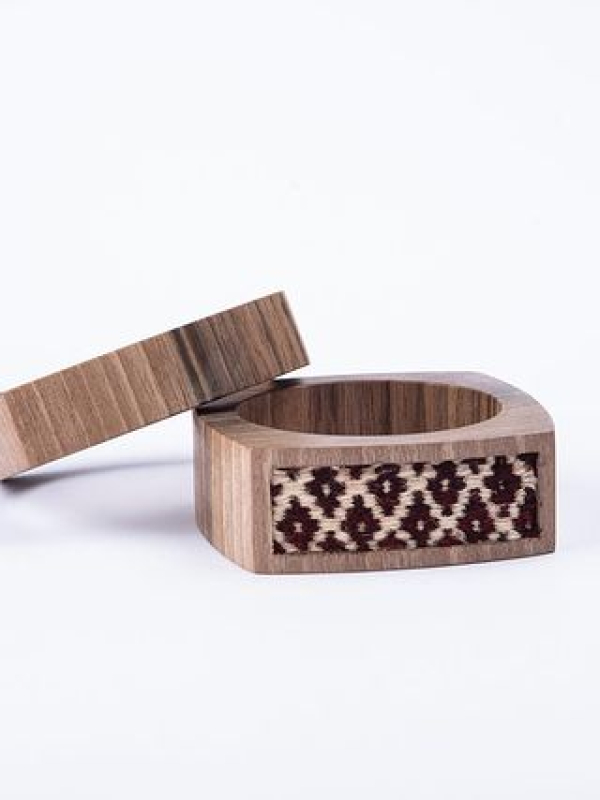
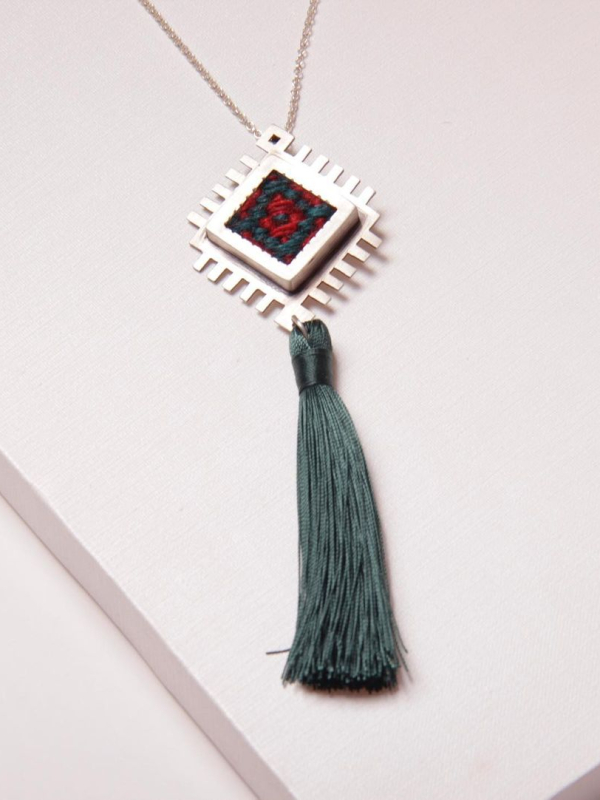
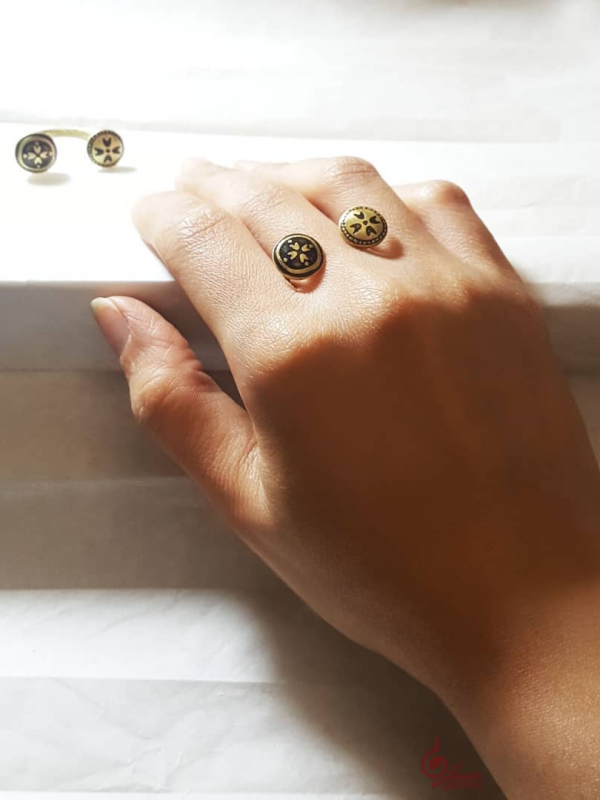
The magnificent art of making Kilim goes back to Central Asia by the inhabitants of migrating nomads whose lives were not easy at all. Throughout their migration journey, they had to protect their families in severe conditions; one of which was cold and wet weather. In doing so they discovered the goat hair is more suitable for being used in their tents as its features make it more durable and, used in a certain way, can make their tents waterproof. The incorporation of goat hair into tents’ walls and floors has gradually evolved into weaving Kilims and centuries passed by till present day that we are the guardians of this ancient art. Many countries nowadays claim the ownership of Kilim but it is originally a Turkish handcraft mostly produced by the female members of nomad and even these days the brilliant women of Central Asia claim the ownership of Kilim making.
In short, Kilim, a word of Turkish origin, denotes a pileless textile of many uses produced by one of several flat-weaving techniques that have a common or closely related heritage and are practiced in the geographical area that includes parts of Turkey (Anatolia and Thrace), North Africa, the Balkans, the Caucasus, Iran, Afghanistan, Pakistan, Central Asia and China.
Among all old handwovens; Kilims, probably, is the most widely misconceived one. There are huge misunderstandings about the origin, the types, size, patterns and locations of kilim. The biggest misunderstanding, amongst all, would be the inclusion of Kilim into the category of Oriental Rugs where, infact, Kilims have their own identity and if they were to speak they would want to claim their identity back. Let’s call them Kilim Rugs and separate them from pile rugs or carpets.
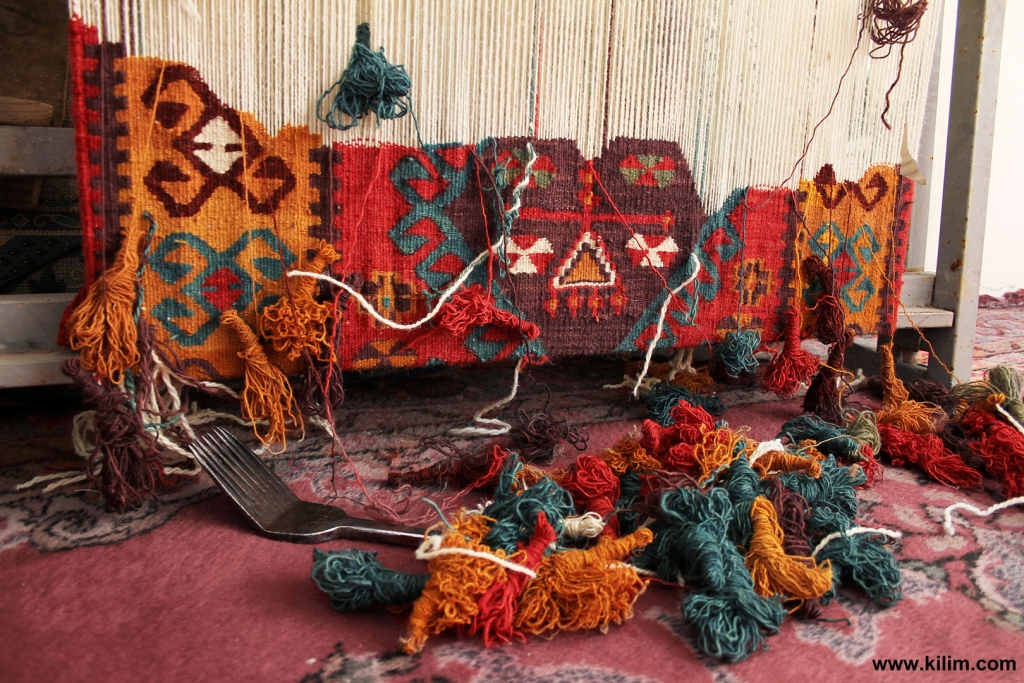
The difference between a kilim area rug and a carpet or a pile rug is that the design visible on the kilim is made by interweaving the variously colored wefts and warps, thus creating what is known as a flatweave, whereas in a pile rug individual short strands of different color, usually of wool, are knotted onto the warps and held together by pressing the wefts tightly against each other. In this case the whole design is made by these separately knotted strands which form the pile, and the patterns become clearly visible after any excessive lengths of the knotted materials are shorn off to create a level surface.
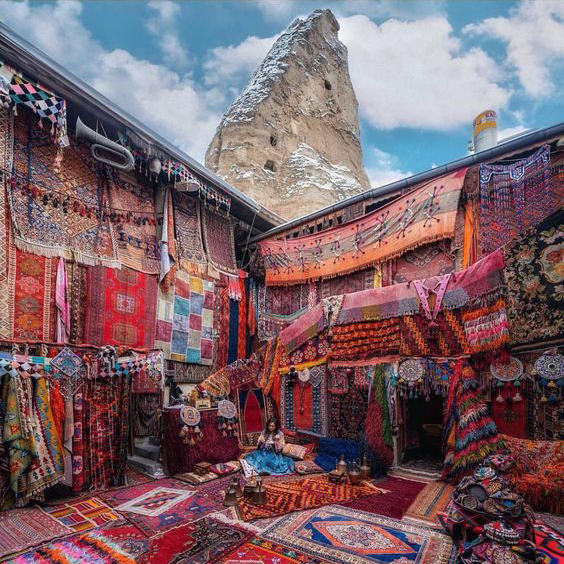
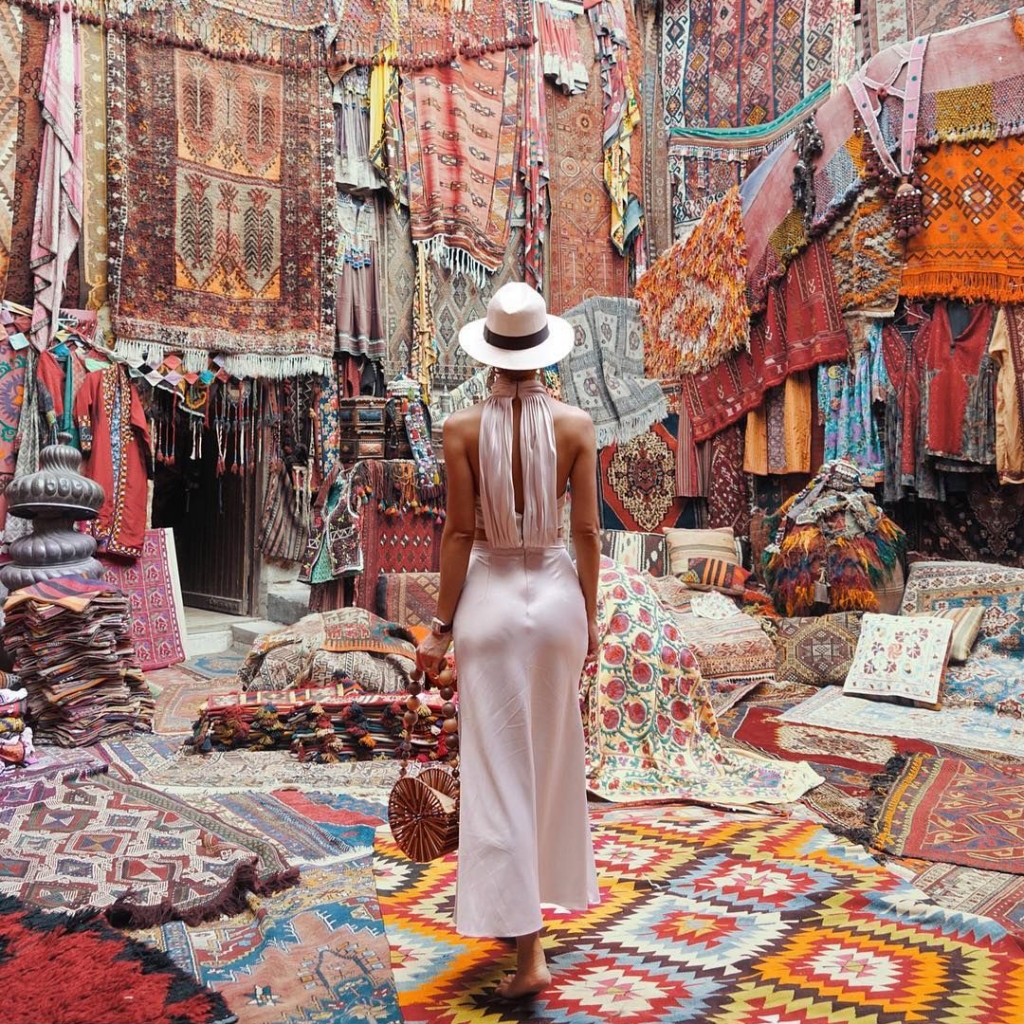
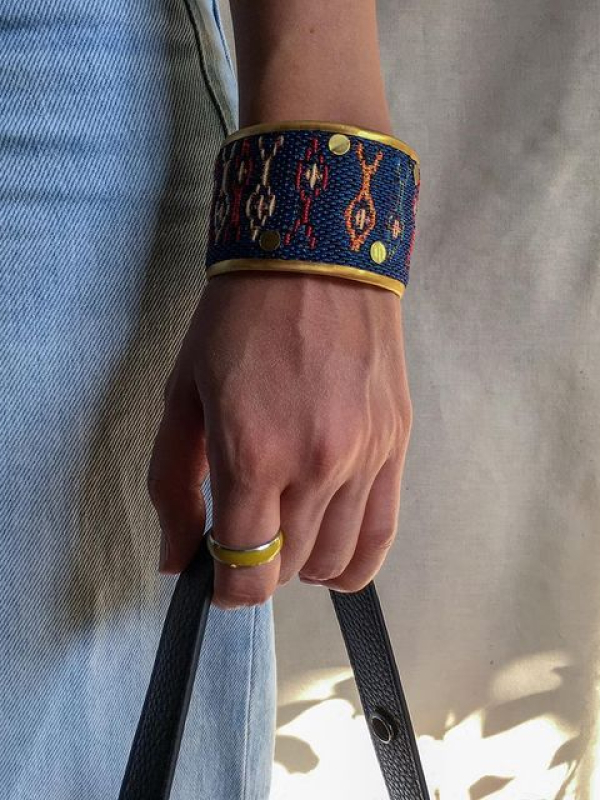
In modern days, Kilim has been integrated in our lives and Western cultures also appreciate the warmth and beauty that Kilims can bring to their homes.
Every Kilim tells at least one story, they are like a collage of motifs that represent the inner feelings of the weaver. Kilims were mostly woven by women while men were at war or hunt; and based on their situation the motifs weaved by them would vary. A kilim made by a single woman would look different from one made by a married or pregnant woman.
These days, Kilim reading is a professional job that is not everyone’s gig due to the vast number of motifs, patterns and cultural diversity of the kilims. To ordinary users, all Kilims are the same but to someone who knows how to interpret Kilim, each one is a story book that can take you into its weaved strands to a point that you find yourself lost in imagination.
It is hard to tame our inner desire to go through hundreds of different motifs but this limited space lets us cover just a few main important ones.
Apart from location-driven motifs; all general patterns can be categorised in four main subjects: Life events, Ideology, Animals and Plants
In MartEast, we understand handcrafts, we have seen the hardworking hands of women who work tirelessly to keep their tradition alive and support their families. It is important to us that our customers understand the uniqueness of our products and what impact they are making to the Kilim weaver’s lives by sharing the love. Now, that you have walked into the colorful world of Kilims with us, the choice is yours. To choose that unique piece that ties your story with its interlocking threads, navigate our range and indulge your thirst for beauty whether to decorate your house or to shower someone with love. Now, that these little lines and shapes have evolved into more meaningful stories, your journey into the realm of Kilim is directed towards the point where your inner desires and Kilim patterns’ stories meet. Whether it is to decorate your house or choosing a little gift for a loved one; we believe the only way to share stories is to integrate them into our day-to-day lives. We find it entertaining when these patterns can impress an absolute stranger and open doors for meaningful conversations around culture, history, art and local community support; try it; you will understand and love what we are talking about.